The Importance of Florida Roof Ventilation in Hot and Humid Climates
Florida‘s intense heat and humidity create unique challenges that most other states never experience. Summer temperatures regularly exceed 95°F while humidity levels remain above 70% for months. These extreme conditions trap heat in attic spaces and create moisture problems throughout homes.
Proper Florida roof ventilation becomes essential for protecting your home and controlling energy costs. Without adequate roof airflow, trapped heat forces air conditioning systems to work harder. Additionally, moisture buildup leads to mold growth and structural damage over time.
Florida roof ventilation systems must handle both extreme heat and frequent thunderstorms. Smart homeowners understand that investing in quality ventilation prevents costly repairs and health problems. This guide explains why ventilation matters so much in our challenging climate.
How Florida’s Climate Challenges Roof Ventilation
Florida’s subtropical climate creates perfect conditions for ventilation problems that rarely occur in moderate climates. Summer attic temperatures can reach 150°F without proper roof airflow systems. High humidity levels make moisture management critical for preventing structural damage. Frequent afternoon thunderstorms add moisture to already humid conditions. Hurricane season brings wind-driven rain that tests every seal and barrier. Additionally, year-round sunshine means UV radiation constantly degrades roofing materials.
Florida roof ventilation systems must work harder than those in cooler, drier regions. Traditional ventilation approaches often fail in our intense climate conditions. Furthermore, Florida roof ventilation requires specialized design considerations for hurricane resistance and moisture control.
Coastal areas face additional challenges from salt air that accelerates corrosion. Attic ventilation in Florida homes needs enhanced protection against these aggressive environmental factors. Smart property owners choose ventilation systems engineered specifically for our demanding climate.
Heat, Humidity & Roof Stress
Extreme heat accelerates the breakdown of roofing materials through thermal cycling and UV exposure. Asphalt shingles become brittle and crack when subjected to temperatures exceeding 140°F regularly. Metal components expand and contract repeatedly, loosening fasteners and creating gaps.
High humidity creates condensation problems when warm, moist air contacts cooler surfaces. This moisture promotes mold growth while causing wood rot in structural components. Without proper ventilation, trapped moisture damages insulation and reduces its effectiveness significantly.
Key Benefits of Proper Roof Ventilation in Florida
Understanding the specific advantages of quality ventilation helps homeowners make informed investment decisions. Florida roof ventilation delivers measurable benefits that protect both property values and family health. Additionally, Florida roof ventilation systems provide immediate comfort improvements and long-term cost savings. Effective ventilation addresses multiple problems simultaneously through continuous air circulation. Here are the primary benefits:
- Reduced energy usage – Lower attic temperatures reduce cooling loads by 15-30% during summer months
- Preventing moisture buildup – Continuous airflow eliminates condensation that causes mold and structural damage
- Less stress on HVAC – Air conditioning systems last longer when not fighting superheated attic spaces
- Fewer structural problems – Controlled moisture prevents wood rot, metal corrosion, and insulation deterioration
Signs Your Roof Ventilation Is Failing
Catching ventilation problems early can save you from major repairs, high energy bills, and even health risks. In Florida’s humid climate, poor airflow can quickly lead to damage. Homeowners should watch for clear warning signs. Proper Florida roof ventilation provides lasting protection when issues are addressed early. Here are the most common red flags you should never ignore:
-
Very hot attic temperature
When attic spaces exceed 120°F, it signals poor exhaust airflow. This trapped heat damages roofing materials and increases indoor discomfort. Adequate ventilation improves comfort and ensures long-term roof ventilation benefits for your home. -
Musty or mildew smell
A lingering musty odor often means stagnant, humid air has allowed mold spores to thrive. This condition harms indoor air quality and structures. Identifying it early helps in preventing mold via roof ventilation solutions. -
Visible mold or dark spots
Black or dark staining on attic wood, drywall, or insulation is a clear moisture warning. Mold spreads quickly and weakens structures. Professional ventilation upgrades protect your home and prevent costly mold remediation work. -
Warped or blistering shingles
Shingles that appear curled, blistered, or warped indicate extreme heat stress. Without ventilation, materials deteriorate prematurely. Repairing the problem extends roof life and prevents leaks from developing under weakened shingle surfaces. -
High summer AC bills
If cooling costs spike during Florida summers, attic heat is likely overworking your HVAC. Improving ventilation balances temperatures, reduces strain on your air conditioning, and delivers noticeable monthly savings on energy bills.
Roof Types & Ventilation Needs in Florida
Every roof type has its own ventilation needs. Some require natural airflow, while others need mechanical solutions. Knowing your roof system helps you choose the right ventilation. Commercial roof ventilation Florida projects often differ from residential ones. Roof ventilation for flat roofs needs more planning than sloped systems. With the right approach, you can control heat, reduce moisture, and extend your roof’s lifespan.
Flat Roof Ventilation
Flat roofs in Florida heat up quickly under direct sunlight. They often struggle with poor airflow. Proper drainage is critical to prevent water buildup and added humidity. Powered exhaust fans move air out efficiently and reduce hot spots. Strategic vent placement improves circulation across the surface. Adding reflective coatings can lower surface temperatures. Together, these solutions protect flat roofs from excess heat and trapped moisture.
Pitched Roof / Shingle / Tile Systems
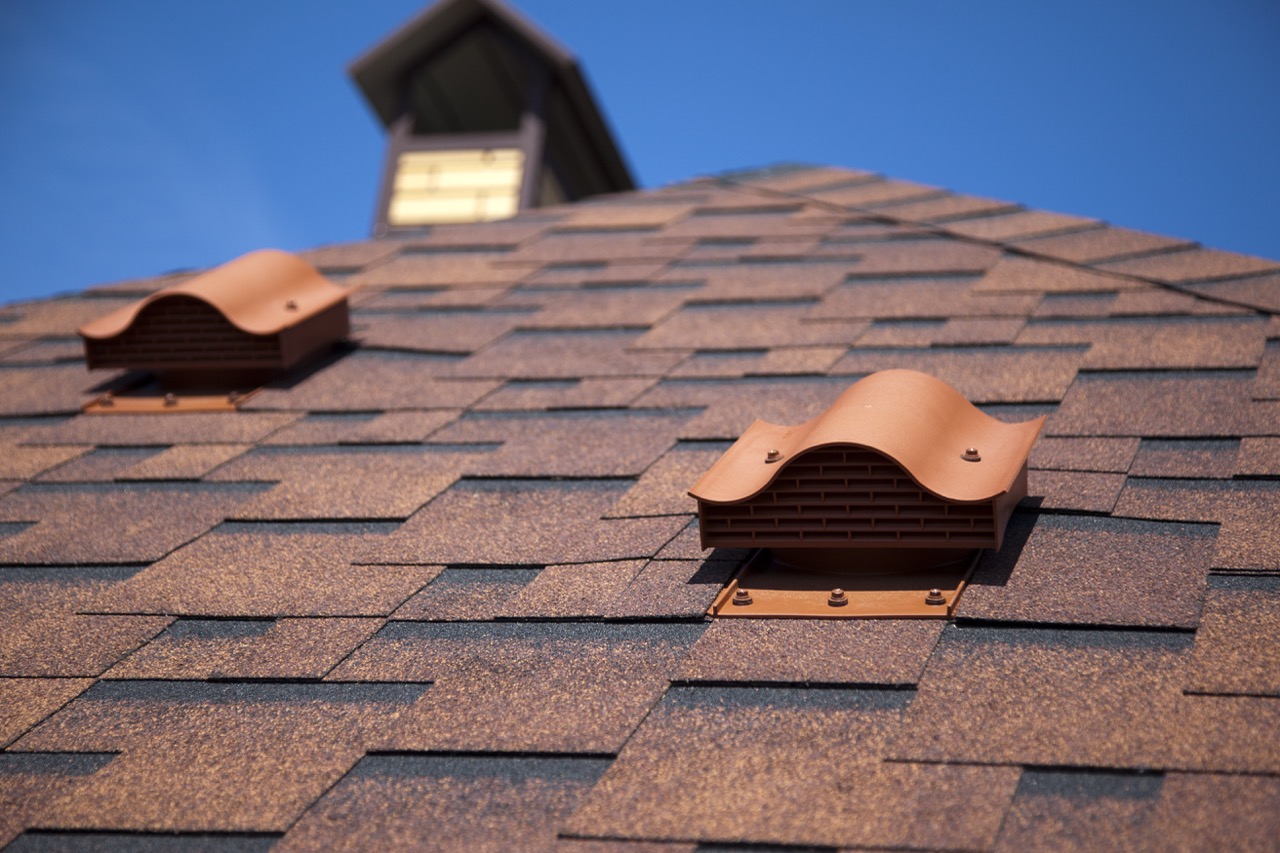
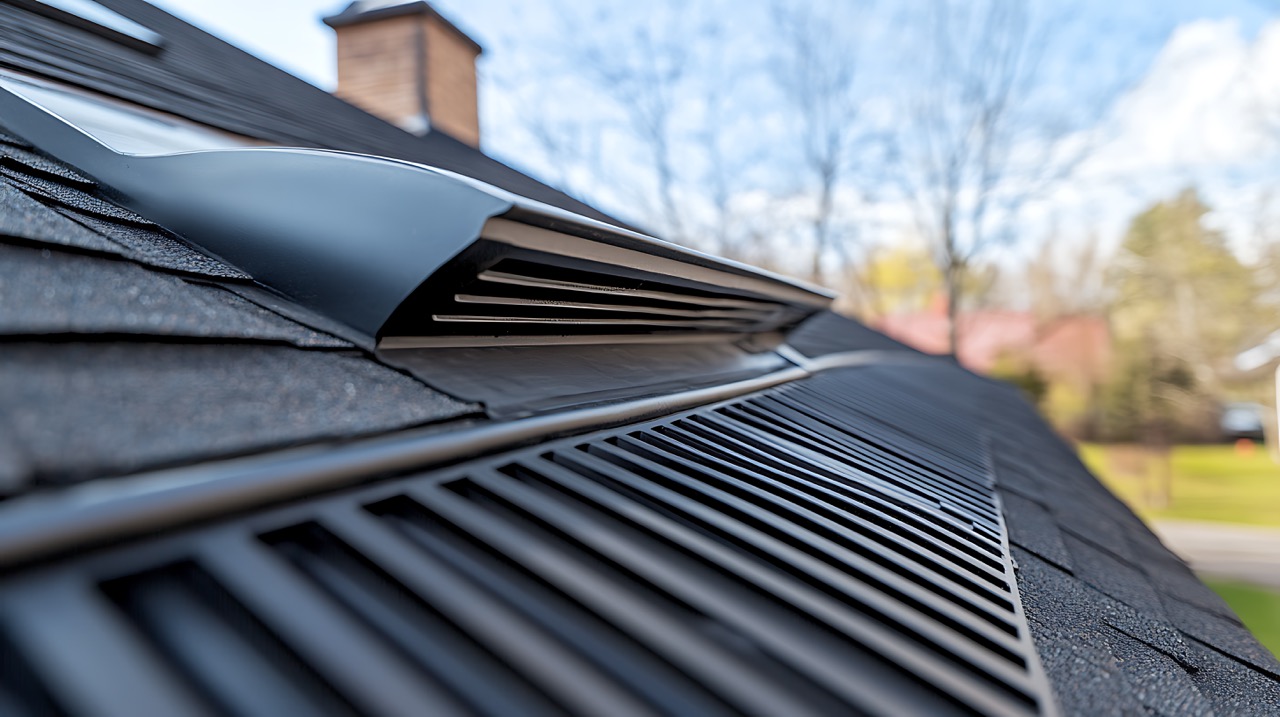
Sloped roofs use ridge and soffit vents for steady airflow. Ridge vents allow hot attic air to rise and escape naturally. Soffit vents bring in cooler outdoor air through the eaves. Attic fans can add extra support in hotter climates. Tile systems, like clay or concrete, absorb daytime heat. Ventilation prevents that stored heat from radiating indoors at night. Proper airflow keeps living spaces cooler and roofs healthier.
Maintenance Tips to Ensure Effective Ventilation
Keeping your roof healthy requires more than just quality materials, it also means staying consistent with care. Regular upkeep ensures your system continues to work in Florida’s challenging heat and humidity. With Florida roof ventilation, small steps taken today can prevent expensive issues tomorrow. Here’s how you can maintain effective airflow and improve overall attic ventilation:
- Annual Inspections: Schedule professional inspections at least once a year. Roofing experts can detect hidden problems like blocked vents, loose flashing, or early moisture damage before they worsen. In Florida’s climate, these proactive checks save money, extend roof life, and keep your ventilation system efficient.
- Clear Soffits and Vents of Debris: Leaves, nests, and dust often clog soffits and vents. Blockages limit airflow, trapping hot air inside your attic. Regular cleaning restores circulation and helps prevent overheating or humidity buildup. This simple task is one of the most effective forms of roof maintenance Florida homeowners can do.
- Ensure No Insulation Blocks Airflow: Insulation that covers intake vents prevents fresh air from entering the attic. Without airflow, heat and moisture quickly accumulate. Periodically check that insulation is properly installed and that paths between intake and exhaust vents remain clear. Correcting blockages keeps Florida roof ventilation running as designed.
- Clean Gutters and Downspouts: Clogged gutters lead to water overflow, which raises humidity levels and damages roofing materials. Regular gutter cleaning ensures proper drainage away from your home. This reduces the risk of mold, protects attic insulation, and supports better ventilation by preventing trapped moisture near vent openings.
- Check Flashing and Vent Seals: Over time, Florida’s weather weakens flashing and vent seals, leaving openings for leaks. Inspect these areas for cracks, rust, or loose edges. Promptly resealing or replacing damaged flashing prevents water infiltration, protects your attic ventilation system, and extends the lifespan of your entire roof.
When to Call Professionals (and How We Help)
Complex ventilation systems require professional expertise for proper design and installation. DIY approaches often fail to address Florida’s specific climate challenges effectively. Additionally, Florida roof ventilation installations must comply with hurricane building codes. Professional contractors understand local requirements and have experience with challenging installations. They can evaluate your specific needs and recommend appropriate solutions. Furthermore, commercial roof ventilation projects require specialized equipment and expertise.
At Harrington and Sons Roofing, we specialize in Florida roof ventilation systems designed for our demanding climate. Our experienced team handles residential and commercial installations with proven results. Additionally, we provide comprehensive maintenance programs that keep systems operating efficiently. We understand that Florida roof ventilation systems must withstand hurricanes while providing year-round performance. Our quality installations use materials specifically chosen for coastal conditions and extreme weather resistance.
Contact the Ventilation Experts
Proper ventilation makes the difference between comfortable, energy-efficient homes and expensive problem properties. Florida roof ventilation systems require specialized knowledge and quality materials for reliable performance. Don’t wait until problems develop to address ventilation needs.
Schedule a professional evaluation to determine your home’s specific requirements. Our comprehensive assessments identify improvement opportunities while providing realistic cost estimates. Quality ventilation investments pay for themselves through energy savings and prevented damage.
Contact us today for expert ventilation solutions designed for Florida’s challenging climate.
Harrington and Sons Roofing
9507 Bergamo Street
Lake Worth, FL 33467
Phone: (844) 766-3799
Email: info@hsrfg.com
Hours: Mon – Sat: 8 AM – 5 PM | Sunday: Closed